Welcome to Persian Flavors!
This Blog is dedicated to exploring the rich and delicious world of Iranian cuisine. From Traditional stews and fragrant rice dishes to famous kebabs , I share the history, recipes, and cultural significance of Persian Food.
About Me

Hello! My name is Nakisa , and I am originally from Iran. Growing up, food was an important part of family gatherings, celebrations, and everyday life. Persian cuisine is much more than recipes—it reflects our history, culture, and traditions.
I created this blog to share some of my favorite Persian dishes and introduce others to the rich flavors of Iranian cooking. From fragrant saffron rice to hearty stews like Ghormeh Sabzi, Persian food offers a unique combination of ingredients and techniques that have been passed down through generations.
Through this blog, I hope to help readers learn more about Iranian culture while discovering delicious foods they may not have tried before. Whether you are familiar with Persian cuisine or trying it for the first time, I invite you to explore these recipes and stories with me.
Thank you for visiting my blog!
The History and Culture of Persian Cuisine
Persian cuisine is one of the oldest and most influential culinary traditions in the world. Originating in Iran, it has developed over thousands of years and reflects the country’s rich history, diverse geography, and vibrant culture. Persian food is known for its balance of flavors, fragrant herbs, colorful ingredients, and beautiful presentation.
One of the most important features of Persian cuisine is the use of fresh ingredients. Herbs such as parsley, cilantro, mint, and dill are commonly used in many dishes. Rice is another essential ingredient and is often prepared with great care to create fluffy grains and a crispy golden crust known as tahdig. Saffron, often called the world’s most expensive spice, is also widely used in Persian cooking and adds a distinctive aroma, flavor, and color to many dishes.
Hospitality is a central part of Persian culture. Family gatherings and celebrations are often centered around food. Guests are welcomed warmly and are usually offered a variety of dishes, tea, fruits, and sweets. Sharing meals is considered an important way of strengthening relationships and showing respect to others.
Persian cuisine has also been influenced by Iran’s position along ancient trade routes. Over centuries, merchants introduced spices, fruits, and cooking techniques from neighboring regions. At the same time, Persian cooking has influenced the cuisines of many countries throughout the Middle East, Central Asia, and beyond.
Popular ingredients in Persian dishes include pomegranates, walnuts, yogurt, lamb, chicken, rice, and vegetables. These ingredients are combined in creative ways to create dishes that are both flavorful and nutritious. Persian cuisine often balances sweet and sour flavors, creating a unique dining experience.
Today, Persian food continues to be enjoyed around the world. Restaurants serving Iranian dishes can be found in many countries, introducing people to the rich traditions and flavors of Persian cooking. Whether enjoyed at a family gathering or in a restaurant, Persian cuisine offers a delicious glimpse into Iran’s history and culture.
Top 5 Persian Dishes You Must Try
Persian cuisine offers a wide variety of delicious dishes that showcase the country’s rich culinary heritage. If you are new to Iranian food, these five traditional dishes are excellent choices to begin your journey.
1. Chelo kebab
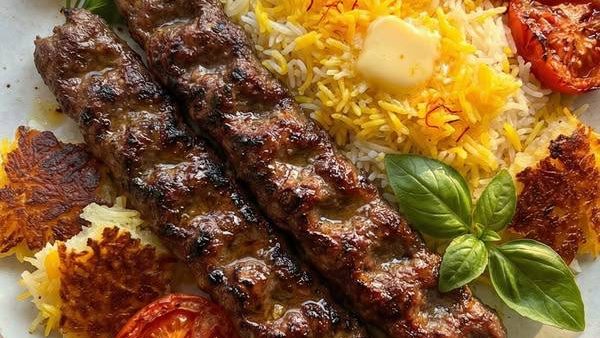
Chelo Kebab is perhaps the most famous Persian dish. It consists of grilled meat, usually lamb, beef, or chicken, served with saffron rice, grilled tomatoes, and butter. The meat is marinated with spices and cooked over charcoal, giving it a smoky and flavorful taste. It is often considered Iran’s national dish.
2.Ghormeh Sabzi
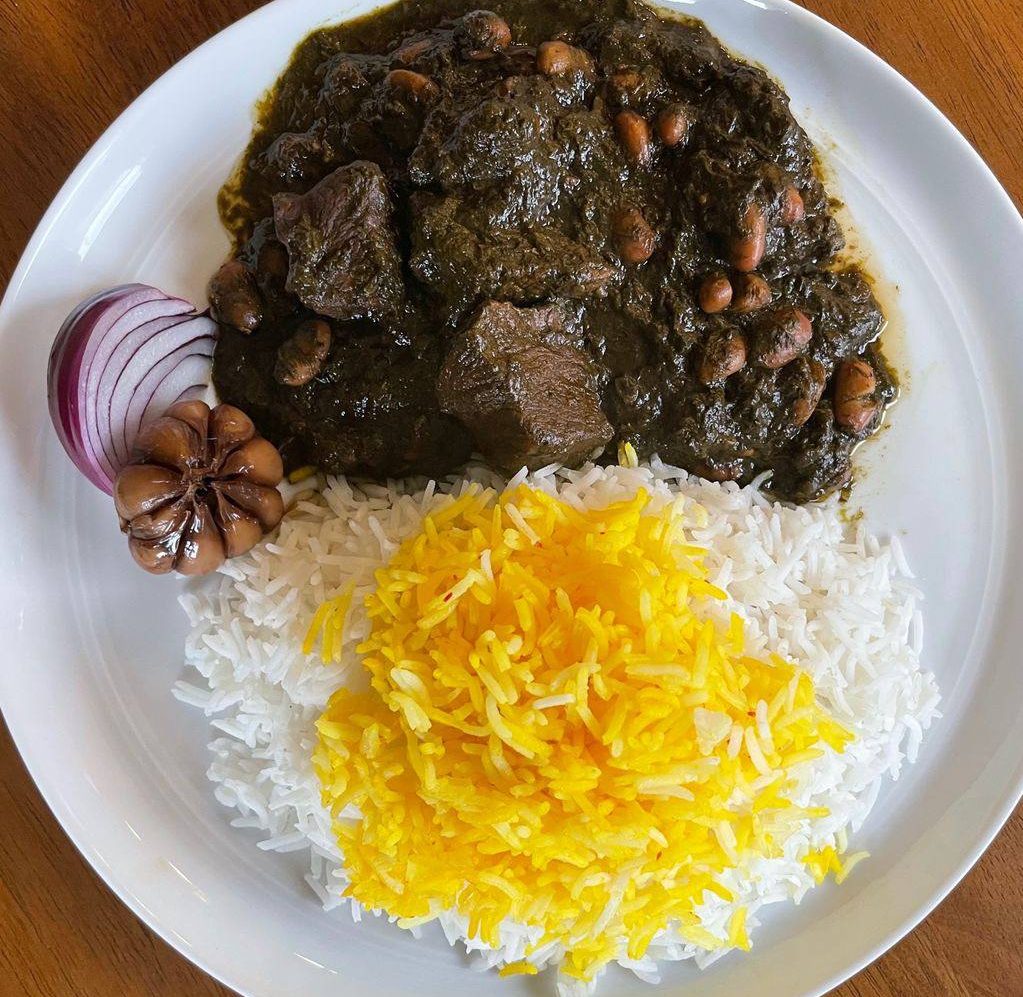
Ghormeh Sabzi is a traditional herb stew that many Iranians consider their favorite comfort food. It is made with fresh herbs, red kidney beans, dried limes, and beef or lamb. The combination of herbs and dried limes creates a unique flavor that is both rich and aromatic. It is usually served with steamed rice
3.Fesenjan
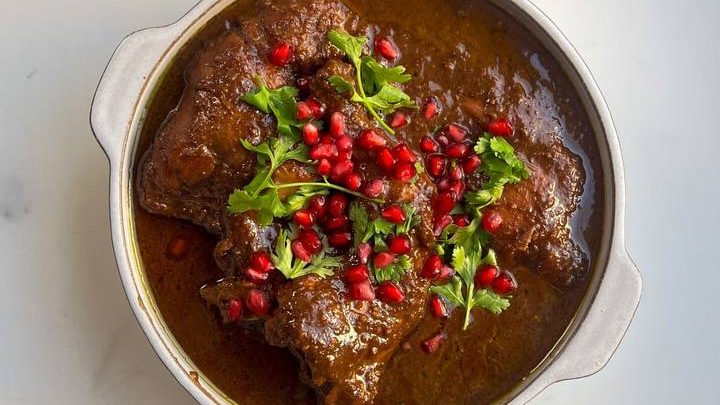
Fesenjan is a luxurious Persian stew made from ground walnuts and pomegranate molasses. It is commonly prepared with chicken or duck and has a distinctive sweet and sour flavor. This dish is often served during special occasions and family gatherings.
4.Tahchin
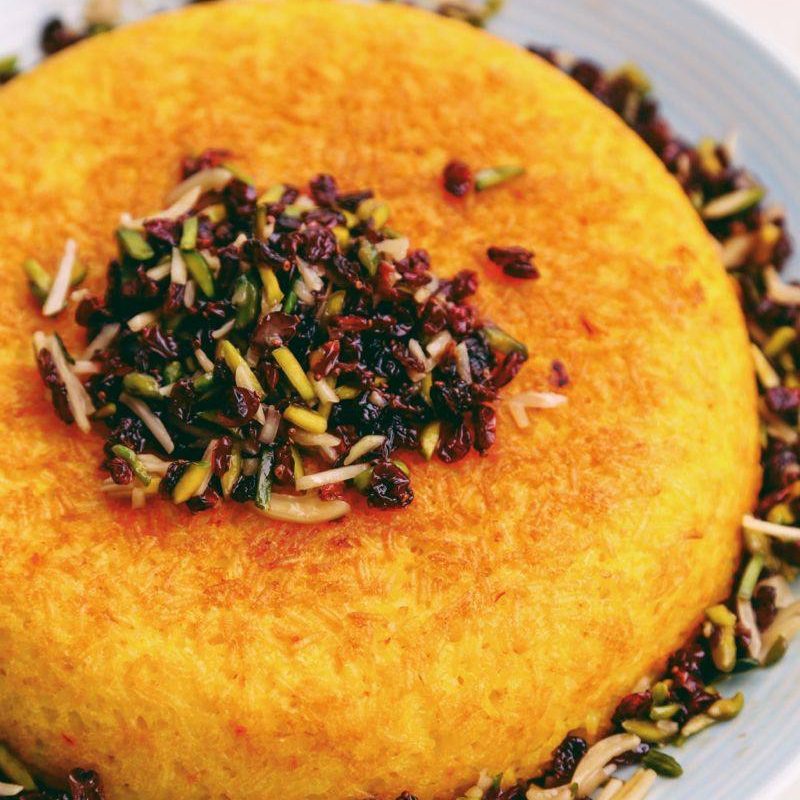
Tahchin is a beautiful baked rice dish made with saffron, yogurt, eggs, and chicken. The highlight of Tahchin is its golden crispy crust, which is highly prized by Persian food lovers. Its elegant appearance makes it popular at celebrations and dinner parties.
5.Zereshk Polo
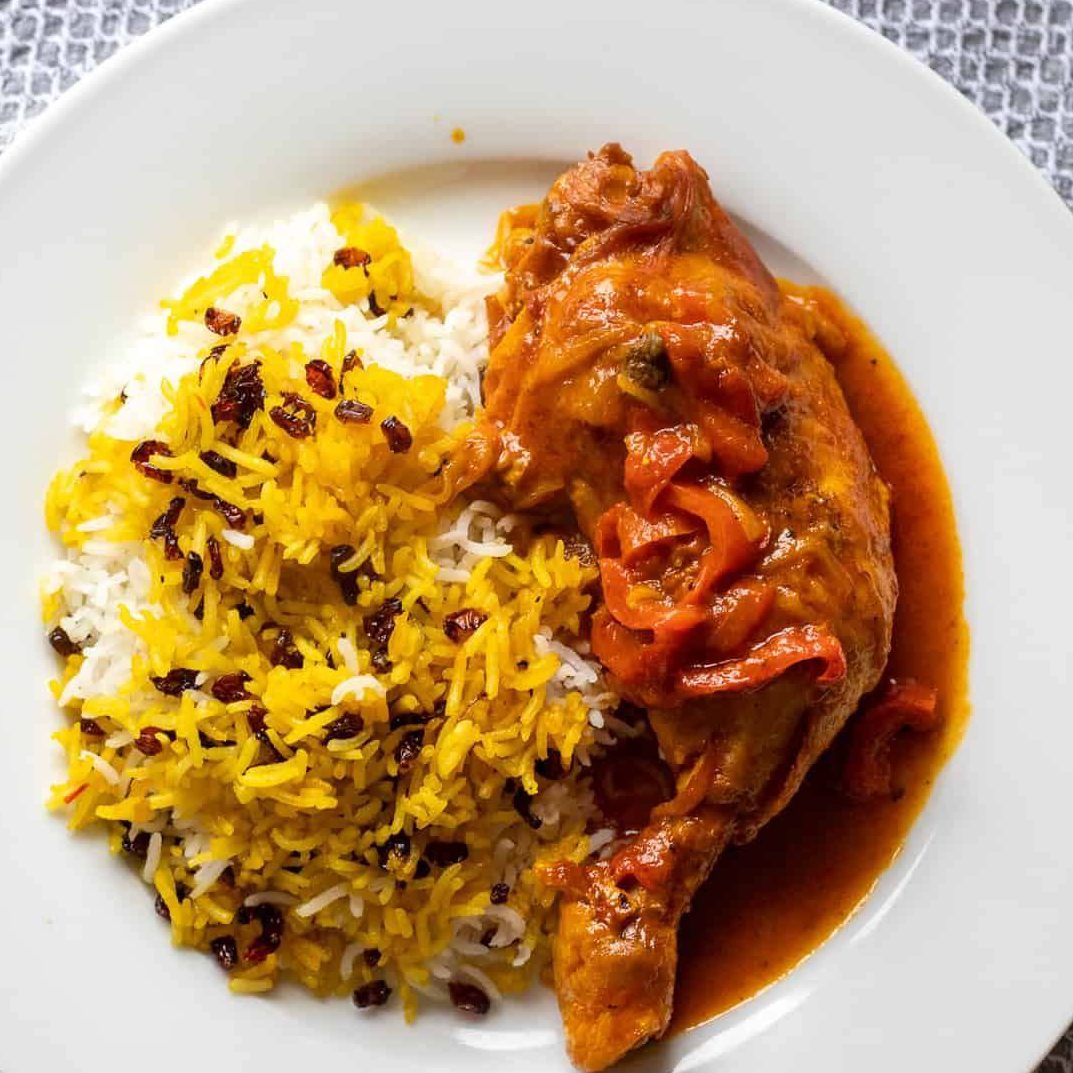
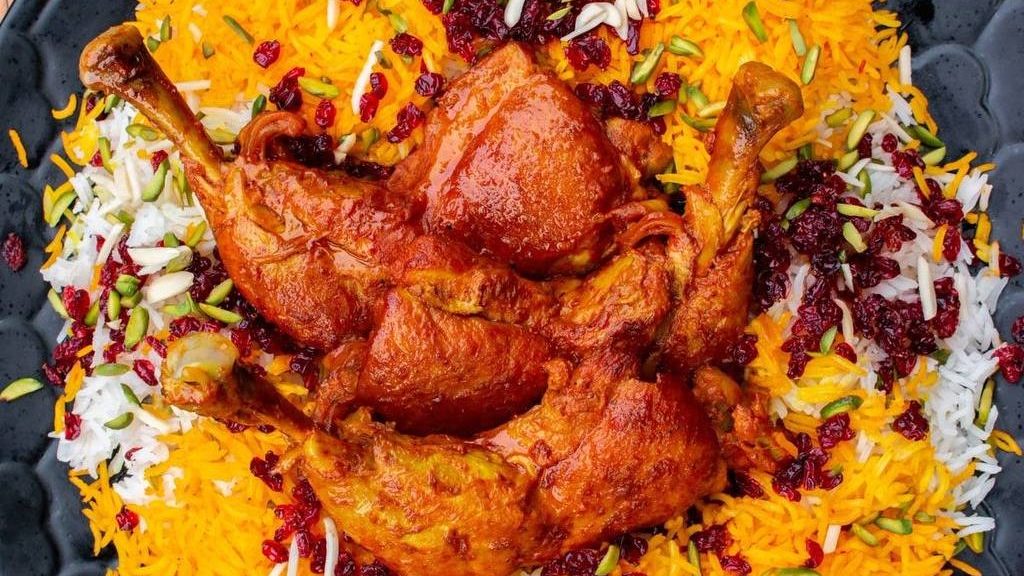
Zereshk Polo consists of saffron rice topped with barberries and served with chicken. The small red barberries add a slightly tart flavor that perfectly complements the fragrant rice. This colorful dish is frequently served at weddings and festive events.
These dishes represent only a small part of Persian cuisine, but they provide an excellent introduction to its rich flavors and traditions.
Each dish tells a story about Iran’s culture, history, and love for good food.
How to make Ghormeh Sabzi
Ghormeh Sabzi is one of the most beloved dishes in Iran and is often described as the country’s national stew. Its rich flavor comes from a combination of fresh herbs, beans, meat, and dried limes. Although it requires patience to prepare, the result is a delicious and satisfying meal.
Ingredients
500 grams beef or lamb, cut into cubes
1 large onion, chopped
1 cup red kidney beans
1 bunch parsley
1 bunch cilantro
1 bunch green onions
A small amount of fenugreek leaves
3 dried limes
Salt and pepper
Cooking oil
Water
Preparation
First, soak the kidney beans for several hours or overnight. In a large pot, heat some oil and cook the chopped onion until golden. Add the meat and cook until browned on all sides.
Next, finely chop the herbs and lightly fry them in a separate pan. Frying the herbs helps release their flavor and gives the stew its characteristic aroma. Add the herbs to the pot along with the beans.
Pierce the dried limes with a fork and add them to the stew. Pour in enough water to cover the ingredients and bring everything to a boil. Reduce the heat and allow the stew to simmer for two to three hours. The longer it cooks, the richer the flavor becomes.
Season with salt and pepper according to your taste. The stew should have a thick consistency and a deep green color when it is ready.
Serving Suggestions
Ghormeh Sabzi is traditionally served with steamed Persian rice. Many people also enjoy it with yogurt, fresh herbs, and pickled vegetables on the side.
This dish is more than just a meal; it is a symbol of Persian family traditions and hospitality. Many Iranian families prepare Ghormeh Sabzi for gatherings, holidays, and special occasions. Its comforting flavor and cultural significance have made it one of the most treasured dishes in Persian cuisine.
If you want to experience authentic Persian cooking, Ghormeh Sabzi is an excellent place to start.